Truck Underride Deaths: Proving the Trailer Guard Was Missing or Non-Compliant Despite FMCSA Certification
Losing a loved one in a truck accident is a tragedy that leaves families facing unimaginable grief. Beyond the emotional pain, there’s often confusion and frustration in determining liability and understanding the regulations intended to prevent such accidents.
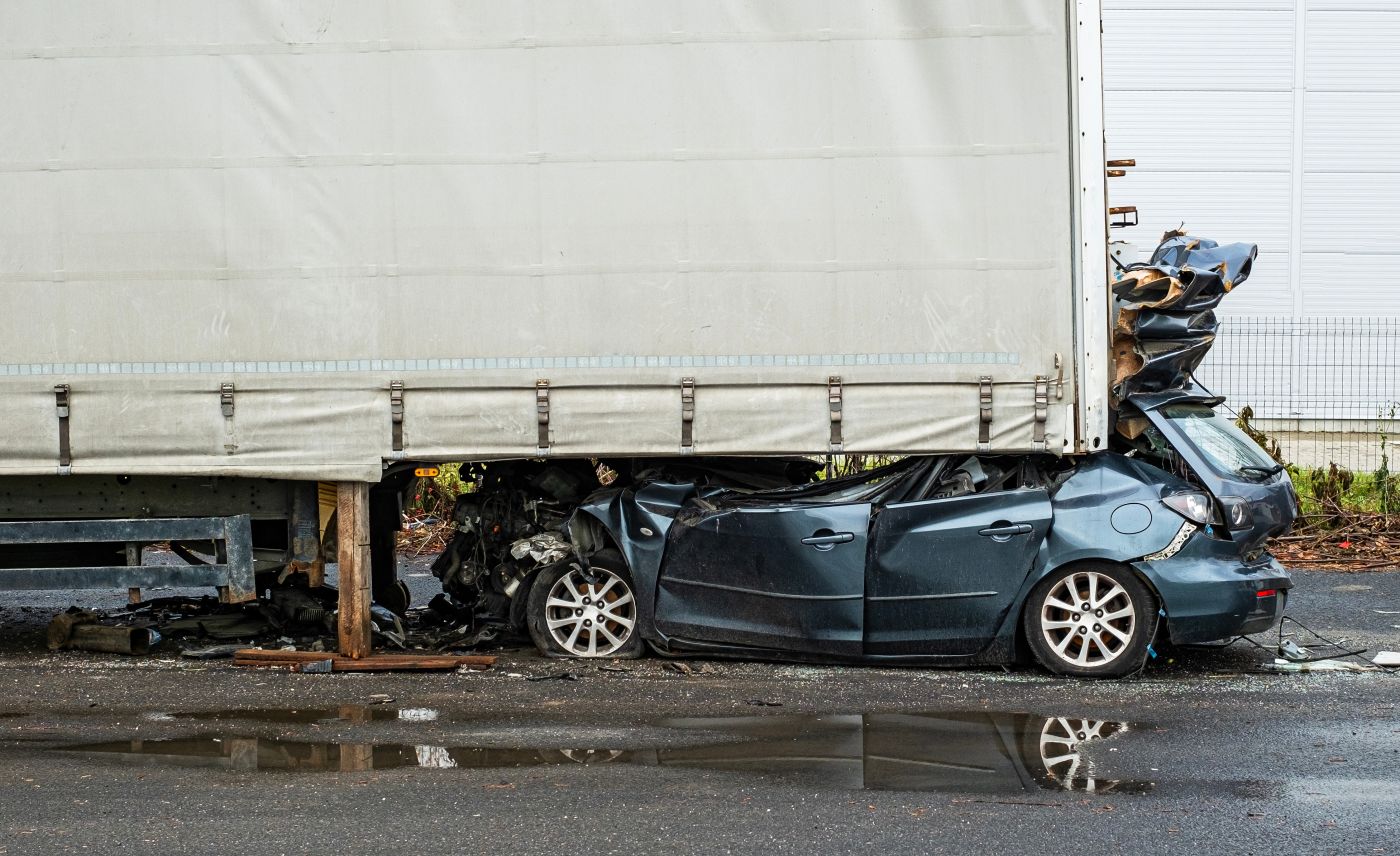
Truck underride accidents—when a passenger vehicle slides under the trailer of a large truck—can be devastating, and proving that a trailer guard was missing or not compliant with FMCSA standards is often key to holding the responsible parties accountable.
Our legal team at Dodd B. Fisher Law, with offices in Grosse Pointe and Fort Gratiot, provides compassionate legal guidance to families in the Detroit Metro area to help them achieve clarity and justice during such difficult times. Reach out to us today to see how we can help you pursue justice and recover compensation after a truck accident.
Trailer guards, also called underride guards, are designed to prevent smaller vehicles from sliding under a truck's rear during a collision. Despite FMCSA certification, some guards may not meet safety standards, may be installed incorrectly, or may have defects that render them ineffective. Reviewing the importance of trailer guards can help explain why some truck accidents result in severe injuries or fatalities:
Crash severity reduction: Proper guards absorb impact and prevent vehicles from sliding underneath.
Injury prevention: Guards reduce the risk of fatal injuries to drivers and passengers.
Regulatory compliance: FMCSA-certified guards are meant to meet minimum safety standards, but certification doesn’t always guarantee full compliance or proper installation.
Liability evidence: Showing that a guard was missing or non-compliant strengthens a personal injury or wrongful death claim.
Recognizing the critical role of trailer guards can help families and legal teams focus on evidence demonstrating negligence in truck accidents.
Proving a trailer guard contributed to a truck accident often requires careful collection of evidence. FMCSA certification alone doesn’t protect a company from liability if the guard was missing, defective, or improperly installed. Evidence can include:
Photographs of the crash: Images of vehicle damage and the trailer area can show whether a guard was present. These photos can also help demonstrate the angle and severity of impact, which is critical for proving liability.
Accident reports: Police or DOT reports may note missing or damaged guards. These reports often include measurements, diagrams, and initial observations that can support your case in court or settlement discussions.
Expert inspections: Accident reconstruction specialists can measure guards and verify compliance with FMCSA standards. Their analysis can show whether a guard met regulations or failed to provide adequate protection, making their testimony especially persuasive.
Maintenance records: Truck inspection logs can reveal whether guards were altered, damaged, or improperly maintained. These records can highlight negligence on the part of the trucking company or maintenance personnel.
Witness statements: Accounts from other drivers, passengers, or first responders can confirm details about the trailer guard’s condition. Firsthand observations can help corroborate technical evidence and strengthen the overall case.
Thorough evidence gathering can demonstrate that missing or non-compliant trailer guards contributed directly to the severity of the truck accident.
Truck accidents, especially underride crashes, often involve multiple parties, including trucking companies, maintenance crews, manufacturers, and regulatory agencies. Having experienced truck accident lawyers is essential for building a strong case. In these cases, legal strategies may include:
Identifying all responsible parties: Holding both the trucking company and the manufacturer accountable if safety standards were ignored.
Obtaining expert testimony: Engineers or safety specialists can explain how missing or defective guards caused the accident.
Documenting regulatory violations: FMCSA standards provide a baseline for safety; proving deviations can support your claim.
Gathering detailed records: Medical bills, accident reports, and vehicle maintenance logs can strengthen evidence.
Negotiating settlements or pursuing litigation: Making sure families receive fair compensation for medical costs, lost income, and emotional suffering.
A skilled attorney will focus on building a case that demonstrates liability while advocating for your rights after a truck accident.
Truck accident cases, particularly underride deaths, are complicated and time-sensitive. Small mistakes—such as missed deadlines or incomplete evidence—can significantly affect the outcome. To avoid common pitfalls, families should:
Preserve the crash scene: Take photos and document evidence as soon as possible.
Obtain detailed reports: Secure police, DOT, and medical reports promptly.
Keep all records organized: Maintenance logs, vehicle inspections, and witness statements should be accessible.
Avoid speaking directly to insurance adjusters without counsel: Statements can be misinterpreted or used against your claim.
Consult experienced lawyers early: Quality guidance is critical for proving liability and maximizing recovery.
Being proactive and careful about evidence and documentation can make a meaningful difference in truck accident cases.
Truck accidents, especially those involving underride collisions, are often catastrophic and leave families feeling lost and overwhelmed. The loss of a loved one, coupled with the legal and financial challenges, can make the path forward seem impossible.
At Dodd B. Fisher Law, we guide families in Grosse Pointe Woods, the Detroit Metro, Port Huron, and surrounding areas through the aftermath of truck accidents, helping them understand their legal rights and options.
If a missing or non-compliant trailer guard contributed to a fatal crash or serious injury, our experienced lawyers are ready to investigate, gather evidence, and fight for the compensation your family deserves. Reach out to us today to learn how we can help you pursue justice and hold the responsible parties accountable.