Jackknife Truck Accidents on Wet Roads: Proving Excessive Speed When the Driver Blames Weather Alone
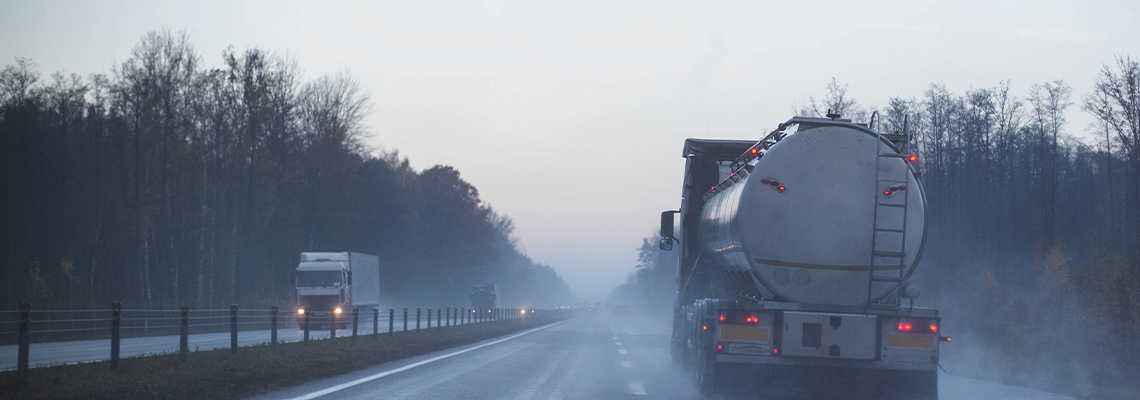
Watching a massive semi-trailer lose control and fold into a jackknife position is one of the most terrifying sights on Michigan highways. When these collisions happen, the physical and emotional aftermath can be devastating for everyone involved. The weight of medical bills and the uncertainty of your recovery shouldn't be burdens you carry alone while trying to heal.
At Dodd B. Fisher Law in Grosse Pointe, Michigan, and Fort Gratiot, Michigan, we're dedicated to helping you find clarity when a truck driver tries to hide behind the weather. We also serve clients in Grosse Pointe Woods, the Detroit Metro, Port Huron, and the surrounding areas. Reach out to our truck accident attorneys today for a free consultation.
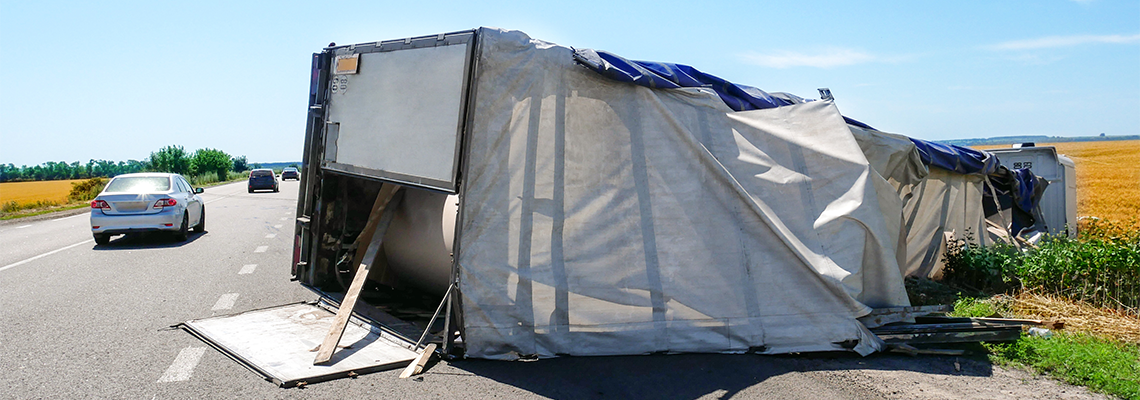
A jackknife occurs when a truck's drive wheels lock up, causing the trailer to swing out to the side until it hits the tractor. While rain, sleet, or ice make the roads slicker, these conditions don't automatically cause truck accidents. In many cases, the true culprit is a driver who failed to adjust their speed to the environment.
If the driver isn't accounting for the lack of friction, they're essentially waiting for a disaster to happen. Our truck accident attorneys have seen how blaming the rain is a convenient way for companies to avoid paying for the damage their drivers caused. Proving that speed was the factor requires looking beyond the speedometer to the physical evidence.
Proving that a truck was going too fast for conditions involves gathering technical data that contradicts the driver’s version of events. Modern semi-trucks are essentially rolling computers, recording every brake application and speed change. We work to secure this data before it can be deleted or overwritten by the trucking company.
This information is vital in showing that the driver had the power to prevent the crash but chose to maintain an unsafe pace. We don't just take the driver’s word for it; we look at the cold, hard numbers that the vehicle recorded during the truck accidents. Here are the types of evidence we look for:
Electronic logging device data: These records show how long the driver had been behind the wheel and their average speed over the course of their trip.
Event data recorders: Often called the "black box," these devices capture specific metrics in the seconds leading up to a collision, such as throttle position and brake status.
GPS and telematics: Many companies track their fleets in real time, providing minute-by-minute accounts of where the trucks were and how fast they were moving.
Maintenance and tire records: We check if the truck had worn tires that made it more prone to hydroplaning at lower speeds than a well-maintained vehicle.
By compiling these records, we can demonstrate that the driver prioritized their delivery schedule over others' safety. This evidence makes it harder for the defense to argue that the crash was an unpreventable accident. We use these facts to push back against insurance companies that want to minimize your claim.
Michigan law and federal regulations are very clear about driving in poor weather. Truck drivers have a higher standard of care because they operate vehicles that can weigh up to 80,000 pounds. These regulations state that drivers must exercise extreme caution when hazardous conditions, such as rain or snow, adversely affect visibility or traction.
An experienced lawyer knows that the "weather defense" is often a smokescreen used to protect a company's bottom line in truck accident cases. We dig into the driver's training and the firm's internal policies to see if they were being pressured to drive in unsafe conditions.
The moments following truck accidents are often frantic, but they're also the most critical for gathering evidence. Rain can wash away skid marks, and road crews quickly clear debris to get traffic moving again. This is why it’s so important to have someone on your side who can act quickly.
We coordinate with investigators who can photograph the scene and measure the yaw marks of the sliding trailer. There are several physical clues at a crash site that can directly indicate excessive speed, even in the presence of water. We examine these details to piece together the sequence of events:
Gouge marks in the asphalt: These occur when parts of the trailer hit the ground during the slide, indicating the force and speed involved.
Debris distribution: The distances glass and plastic are thrown can help reconstruct the truck's impact speed and momentum.
Tire path analysis: By examining where the truck left the lane, we can determine whether the driver was performing a sudden, high-speed corrective maneuver.
Once this physical evidence is documented, it becomes much harder for a trucking company to claim the driver was going slowly. We use this information to reconstruct the crash and show that speed was the primary cause. This is how we protect our clients from being blamed for something that wasn't their fault.
Our truck accident attorneys don't let the passage of time or the elements erase your chance at a fair recovery. Our firm works to preserve the facts from truck accidents before they are lost to the wind or rain.
Dodd B. Fisher Law is ready to investigate your case and hold the negligent parties responsible for their actions. You don't have to face the trucking companies alone. Located in Grosse Pointe, Michigan, and Fort Gratiot, Michigan, we also serve clients in Grosse Pointe Woods, the Detroit Metro, Port Huron, Saint Clair County, and Macomb County. Reach out to our truck accident attorneys today.