Who Is Liable in a Rideshare Crash?
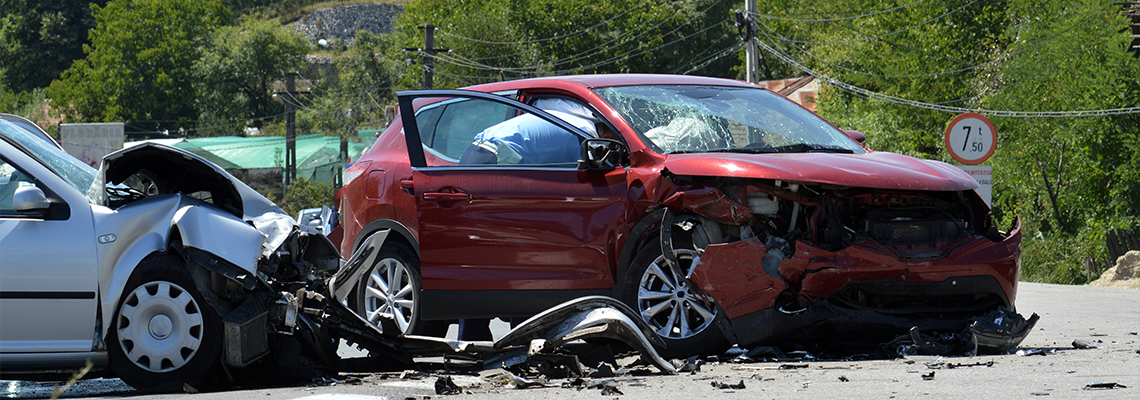
A rideshare crash can involve several potentially responsible parties, including the rideshare driver, another motorist, or an insurance company. Determining liability requires looking at how the collision happened, what each driver was doing at the time, and which insurance coverage applies.
Michigan’s no-fault system also affects how injured people pursue benefits and damages after a motor vehicle accident. For someone hurt in a rideshare crash, identifying the appropriate parties and preserving evidence can be an important part of pursuing a claim.
Dodd B. Fisher Law helps clients review the circumstances surrounding a rideshare collision and determine which parties and insurance policies apply to their claims. Our personal injury attorneys help clients gather records, review insurance coverage, and address disputes that arise after an accident.
We have locations in Grosse Pointe and Fort Gratiot, Michigan, and serve clients in Grosse Pointe Woods, the Detroit Metro, Port Huron, and surrounding areas. Schedule a free consultation at Dodd B. Fisher Law today to discuss your rideshare crash with our firm.
The rideshare driver can be responsible when negligent driving causes a collision. Examples include speeding, distracted driving, failing to yield, or following another vehicle too closely. To establish liability, you need evidence connecting the driver's actions to the crash and resulting injuries.
Michigan law has specific insurance requirements for transportation network company drivers. A driver must maintain automobile insurance that recognizes the vehicle's use for rideshare services.
The available coverage depends on the driver's status when the crash occurred, including whether they were logged into the rideshare platform, waiting for a ride request, or transporting a passenger.
Personal injury attorneys can help determine the driver's status at the time of the collision and identify the applicable insurance coverage. Reviewing rideshare records, accident reports, and insurance policies can help clients understand which parties and insurers to address in a personal injury claim.
A rideshare passenger isn't automatically entitled to damages from the rideshare driver simply because the passenger was in the rideshare vehicle. Another motorist could be responsible when that driver's negligence caused the collision. For example, another driver could be liable after:
Running a red light: Entering an intersection against a traffic signal can cause a collision with a rideshare vehicle traveling through the intersection.
Driving while distracted: Looking at a phone or otherwise failing to watch traffic can contribute directly to a crash.
Following too closely: Insufficient stopping distance can prevent a driver from avoiding a sudden slowdown.
Driving recklessly: Unsafe lane changes, excessive speed, or other dangerous conduct can contribute to a collision.
When another driver is involved, the claim depends on available insurance coverage and the specific facts surrounding the accident. Our legal team can help clients identify the drivers involved, collect crash documentation, and determine how Michigan's fault rules apply.
Michigan follows comparative-fault rules for tort claims. Under MCL 600.2959, damages are reduced according to the injured person's percentage of fault. If the injured person's fault exceeds the aggregate fault of the other person or people involved, noneconomic damages aren't awarded.
Michigan's no-fault system provides personal injury insurance benefits for certain expenses after a motor vehicle accident, including medical costs, lost wages, and replacement services, subject to applicable limits.
Michigan law has specific insurance rules for rideshare crashes. Coverage can depend on whether the driver was using the rideshare platform and whether a passenger was in the vehicle. Our firm can review the accident details and applicable policies to identify relevant coverage and address insurance disputes.
Michigan also limits non-economic damages, such as pain and suffering, to certain circumstances, including death, serious impairment of body function, or permanent serious disfigurement.
Determining liability involves more than identifying which vehicle was involved. The available evidence needs to establish what happened and connect the responsible party's conduct to the injuries. Our knowledgeable legal team can assist clients by reviewing:
Crash reports: Police reports can provide information about the collision, involved drivers, traffic violations, and statements made at the scene.
Rideshare records: Information showing when a driver logged into the platform, accepted a ride, or transported a passenger can help identify the applicable insurance period.
Medical documentation: Medical records can establish the nature of the injuries, treatment received, and how the injuries affect daily activities.
Insurance policies: Reviewing the applicable policies can help identify available liability and personal protection insurance coverage.
Other evidence: Photographs, witness information, vehicle damage records, and available electronic records can provide additional information about how the crash occurred.
The firm can also help clients address communications with insurers and opposing parties. Insurance companies frequently request statements, records, and other information when evaluating a claim. Reviewing requests and determining what documentation is relevant can help protect your legal interests.
Timing also matters. Michigan generally provides a three-year statute of limitations for actions seeking damages for injury to a person or property under MCL 600.5805, although exceptions and different deadlines can apply depending on the claim.
A rideshare collision can involve overlapping insurance coverage, multiple drivers, and Michigan's no-fault and comparative-fault rules. Personal injury attorneys can help clients identify potentially responsible parties, review available coverage, and organize evidence supporting the claim.
Our team at Dodd B. Fisher Law assists clients from its Grosse Pointe and Fort Gratiot locations and serves Grosse Pointe Woods, the Detroit Metro, Port Huron, and surrounding areas. Schedule a free consultation at Dodd B. Fisher Law today to have your rideshare accident and potential claim reviewed by our firm.